Sanitary Napkin Incinerator Guide: Everything You Need to Know
A sanitary napkin incinerator is a device that safely disposes of used sanitary pads by burning them at high temperatures. It helps reduce menstrual waste, control odors, improve hygiene, and minimize landfill disposal. This guide explains how sanitary incinerators work, their benefits, types, installation requirements, safety features, and how to choose the right model for schools, hospitals, offices, factories, and public washrooms.
What Is a Sanitary Napkin Incinerator?
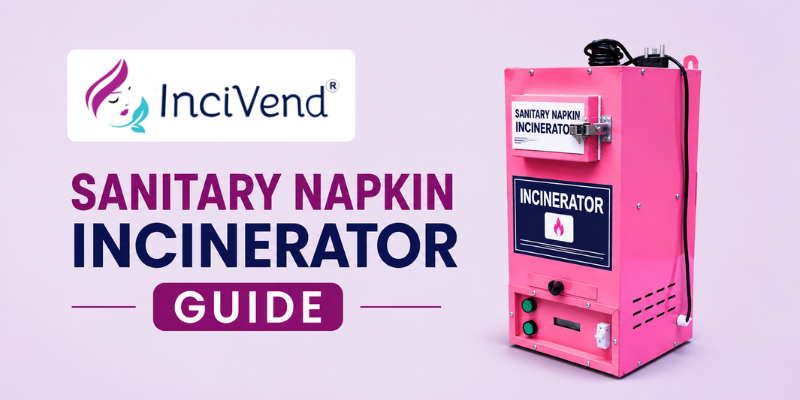
A sanitary napkin incinerator is a machine that safely burns used sanitary pads at high temperatures, reducing menstrual waste into a small amount of ash. It provides a hygienic, odor-controlled, and convenient solution for menstrual waste disposal in schools, hospitals, offices, factories, and public washrooms.
Modern incinerators are compact, user-friendly, and designed to fit inside or near women’s washrooms. Schools, hospitals, offices, and other institutions increasingly use sanitary incinerators to improve hygiene and waste management.
Why Proper Menstrual Waste Disposal Matters
Proper menstrual waste disposal helps prevent odor, bacterial growth, and environmental pollution. It also protects sanitation workers, keeps washrooms hygienic, and ensures menstrual waste is disposed of safely and responsibly.
Millions of sanitary pads are discarded every day. Without an appropriate disposal system, used sanitary products can remain in washroom bins for extended periods, leading to:
- Unpleasant odours
- Poor washroom hygiene
- Increased manual handling
- Overflowing sanitary bins
- Challenges in waste collection
A sanitary napkin incinerator offers a dedicated disposal method that addresses many of these concerns while supporting cleaner and more organized restroom facilities.
How Does a Sanitary Napkin Incinerator Work?
A sanitary napkin incinerator works by burning used sanitary pads in a sealed chamber at high temperatures. The heat converts the waste into a small amount of sterile ash while helping reduce odors, bacteria, and waste volume. Most modern incinerators include automatic temperature control and safety features for hygienic menstrual waste disposal.
Although designs vary by manufacturer, most sanitary napkin incinerators follow a similar process:
Step 1: Disposal
The user places the used sanitary pad into the disposal chamber.
Step 2: Controlled Heating
The machine heats the chamber to a controlled temperature designed for sanitary waste disposal.
Step 3: Waste Reduction
The incinerator reduces the sanitary pad to a small quantity of ash, significantly decreasing its volume.
Step 4: Ash Collection
Maintenance staff collect the remaining ash periodically and dispose of it according to the manufacturer’s instructions and local regulations.
This process reduces the amount of stored menstrual waste and improves overall washroom cleanliness.
Types of Sanitary Napkin Incinerators
Sanitary napkin incinerators are available in different types based on their power source and installation needs. The most common options include electric incinerators, non-electric incinerators, wall-mounted models, floor-standing units, and automatic incinerators. The right type depends on the location, usage, and daily disposal capacity.
1. Electric Sanitary Napkin Incinerators
These are the most commonly used models.
Suitable for:
- Offices
- Schools
- Colleges
- Hospitals
- Hotels
Advantages
- Easy operation
- Compact design
- Consistent performance
- Suitable for indoor installation
2. Automatic Sanitary Incinerators
Automatic models require minimal user intervention.
Features often include:
- Automatic heating cycles
- Safety shut-off
- Temperature control
- Indicator lights
They are commonly installed in high-traffic facilities.
3. Wall-Mounted Incinerators
These machines are installed directly on restroom walls, making them ideal where space is limited.
Best for:
- Corporate offices
- Schools
- Clinics
- Small washrooms
4. High-Capacity Commercial Incinerators
Designed for facilities with heavy daily usage.
Suitable for:
- Airports
- Railway stations
- Shopping malls
- Universities
- Industrial facilities
- Large hospitals
Benefits of Using a Sanitary Napkin Incinerator
- Encourages better menstrual hygiene management.
- Improves hygiene by safely disposing of used sanitary pads.
- Reduces unpleasant odors in washrooms.
- Helps destroy bacteria and minimize contamination.
- Reduces the volume of menstrual waste.
- Promotes privacy and dignity during disposal.
- Supports cleaner schools, hospitals, offices, and public toilets.
- Lowers the amount of sanitary waste sent to landfills.
Where Are Sanitary Napkin Incinerators Used?
Sanitary napkin incinerators are commonly installed in:
- Schools and colleges
- Hospitals and healthcare facilities
- Offices and corporate workplaces
- Factories and industrial units
- Public and community toilets
- Shopping malls and commercial buildings
- Railway stations, airports, and bus terminals
- Hostels and residential institutions
How to Choose the Right Sanitary Napkin Incinerator
Choose a sanitary napkin incinerator based on your daily usage, installation location, safety features, and waste disposal capacity.
- Select the right disposal capacity for daily use.
- Choose an electric or non-electric model.
- Check for safety and automatic temperature control.
- Ensure it meets local emission standards.
- Consider installation space and mounting type.
- Look for easy maintenance and cleaning.
- Compare warranty and after-sales support.
Installation Best Practices
For effective performance:
- Install inside or near women’s washrooms.
- Ensure adequate ventilation if recommended by the manufacturer.
- Follow the manufacturer’s installation instructions.
- Use a stable power supply.
- Train maintenance staff on proper operation.
Professional installers ensure safe and efficient operation by installing the machine correctly.
Maintenance Tips
Routine maintenance improves performance and extends the machine’s lifespan.
Recommended practices include:
- Remove ash regularly.
- Inspect heating components periodically.
- Keep the exterior clean.
- Follow the manufacturer’s servicing schedule.
- Replace worn components when required.
Always switch off the machine before performing maintenance.
Common Mistakes to Avoid
Many operational issues occur because of incorrect usage.
Avoid:
- Overloading the incinerator
- Disposing of non-approved waste
- Skipping routine maintenance
- Ignoring manufacturer guidelines
- Delaying ash removal
Proper use improves efficiency and safety.
Sanitary Napkin Incinerator vs Sanitary Dustbin
| Feature | Sanitary Napkin Incinerator | Sanitary Dustbin |
|---|---|---|
| Waste Storage | Minimal | High |
| Hygiene | Excellent | Moderate |
| Odour Control | Better | Depends on cleaning |
| Manual Handling | Lower | Higher |
| Waste Volume | Reduced | Stored until collection |
| Best For | Medium to high-traffic facilities | Low-traffic facilities |
Frequently Asked Questions
A sanitary napkin incinerator is a machine designed to dispose of used sanitary pads using controlled heat, reducing them to a small amount of ash.
They can be installed in schools, hospitals, offices, factories, shopping malls, hotels, hostels, public washrooms, and other facilities that require dedicated menstrual waste disposal.
Modern sanitary napkin incinerators include safety features such as temperature control and automatic shut-off. They should always be installed, operated, and maintained according to the manufacturer’s instructions and local regulations.
Maintenance frequency depends on usage and the manufacturer’s recommendations. Regular ash removal and periodic servicing help maintain performance.
Consider daily user volume, installation space, capacity, power requirements, maintenance needs, and available safety features before selecting a model.
Upgrade Your Menstrual Waste Management with Incivend
Looking for a reliable sanitary napkin incinerator for your school, hospital, office, factory, or public facility? Incivend offers efficient and easy-to-use sanitary incinerator solutions designed to support hygienic menstrual waste disposal.
Whether you need a compact model for a small office or a high-capacity solution for a large institution, our team can help you choose the right option based on your requirements.
Contact Incivend today to explore sanitary napkin incinerator solutions that promote cleaner washrooms, better hygiene, and efficient menstrual waste management.